People search for it under three different names. Owners ask for a boletín de luz, the electricity company asks for a CIE, and lawyers and agents sometimes write certificado de baja tensión. It is one document, and the route to getting it is the same whichever name you start from.
This guide covers the part our electrical certificate page only touches on: how a request actually runs in Alicante, what you need to have ready, and what decides the cost.
Boletín, CIE or certificado de baja tensión?
All three are the certificado de instalación eléctrica, the document an authorised installer issues under the Spanish low-voltage regulations (the REBT) to state that an installation meets them. Boletín is the old name, from the days when it was a printed form, and it has stuck.
Two documents get confused with it and are worth separating early:
- The energy performance certificate (certificado de eficiencia energética) rates how efficient a home is. It is what you must show to sell or let, it is drawn up by a different professional, and it says nothing about whether the wiring is safe.
- An inspection by a control body (OCA). Some premises, such as many places open to the public, larger garages and certain pools, need periodic inspections on top of the certificate. An ordinary home does not.
If an agent or a buyer simply asks for “the certificate”, it is worth asking which one they mean before booking anything.
Who asks for it, and who signs it?
Anyone who needs it can ask: the owner, a tenant with the owner’s agreement, or a buyer before completion. What nobody can do is certify their own home. The CIE is completed and signed by an authorised installation company (empresa instaladora habilitada), which then registers it electronically with the Generalitat Valenciana’s industry department. The registered certificate is what the electricity company accepts.
For an ordinary home the certificate goes with a short technical design report, the memoria técnica de diseño, which records the circuits, the cable sizes and the protection. Larger installations and some commercial premises need an engineer’s project instead, which is a different and longer process.
To be clear about our part: we inspect the installation, do whatever work it needs and prepare the documentation. The certificate is issued and signed by an authorised installer we work with. You deal with us from the first visit to the registered certificate.
How does the request run, step by step?
- Say what the certificate is for. A first supply contract, more contracted power, reconnecting a home that has been without supply for over a year, or registering a tourist let. The purpose decides what the certificate has to cover.
- Gather the papers. Your DNI or NIE, the full address and the cadastral reference if you have it, and a recent bill showing the CUPS code (the supply point number) and the contracted power. In a block of flats, ask the administrator what documentation exists for the building.
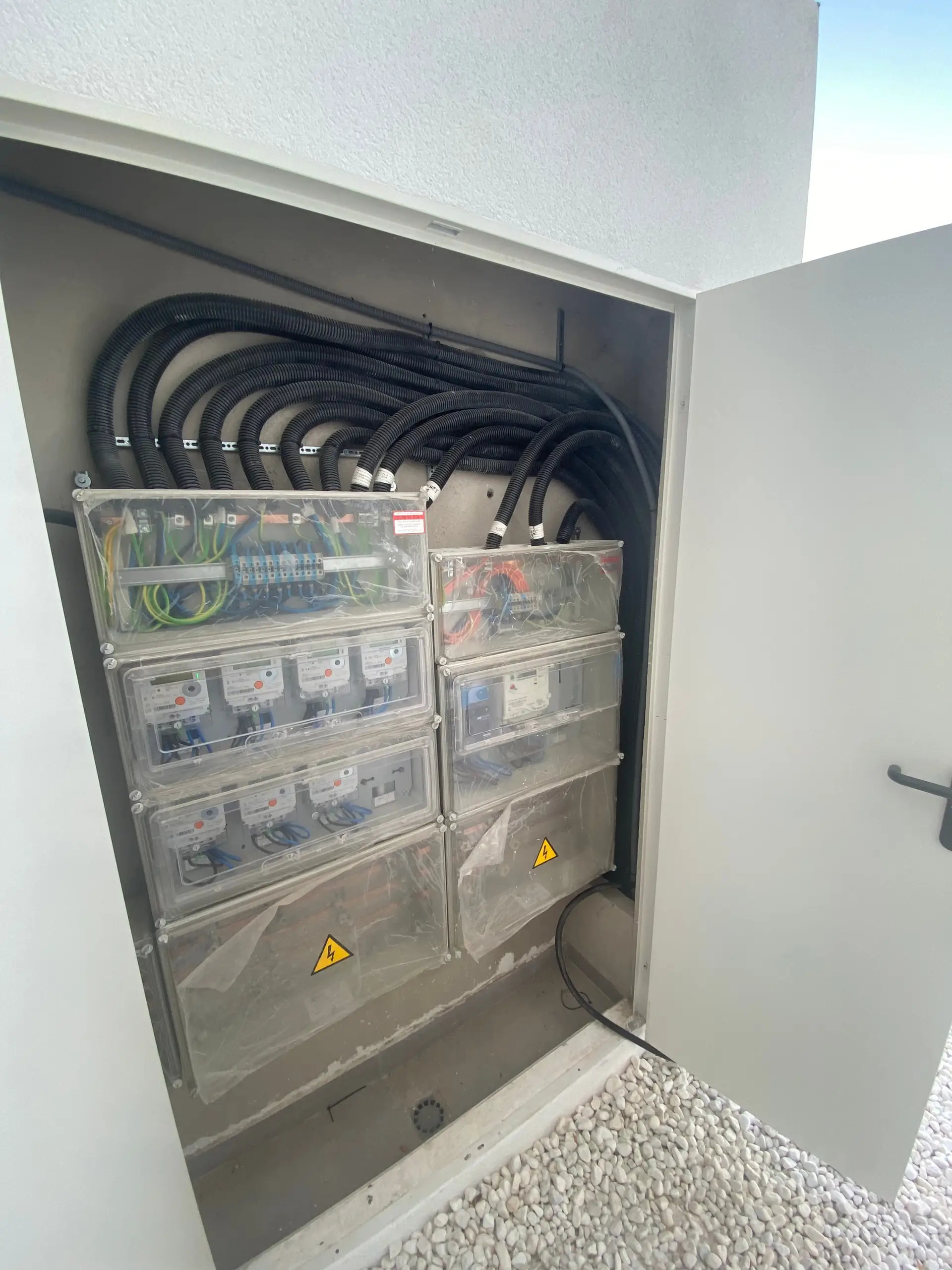
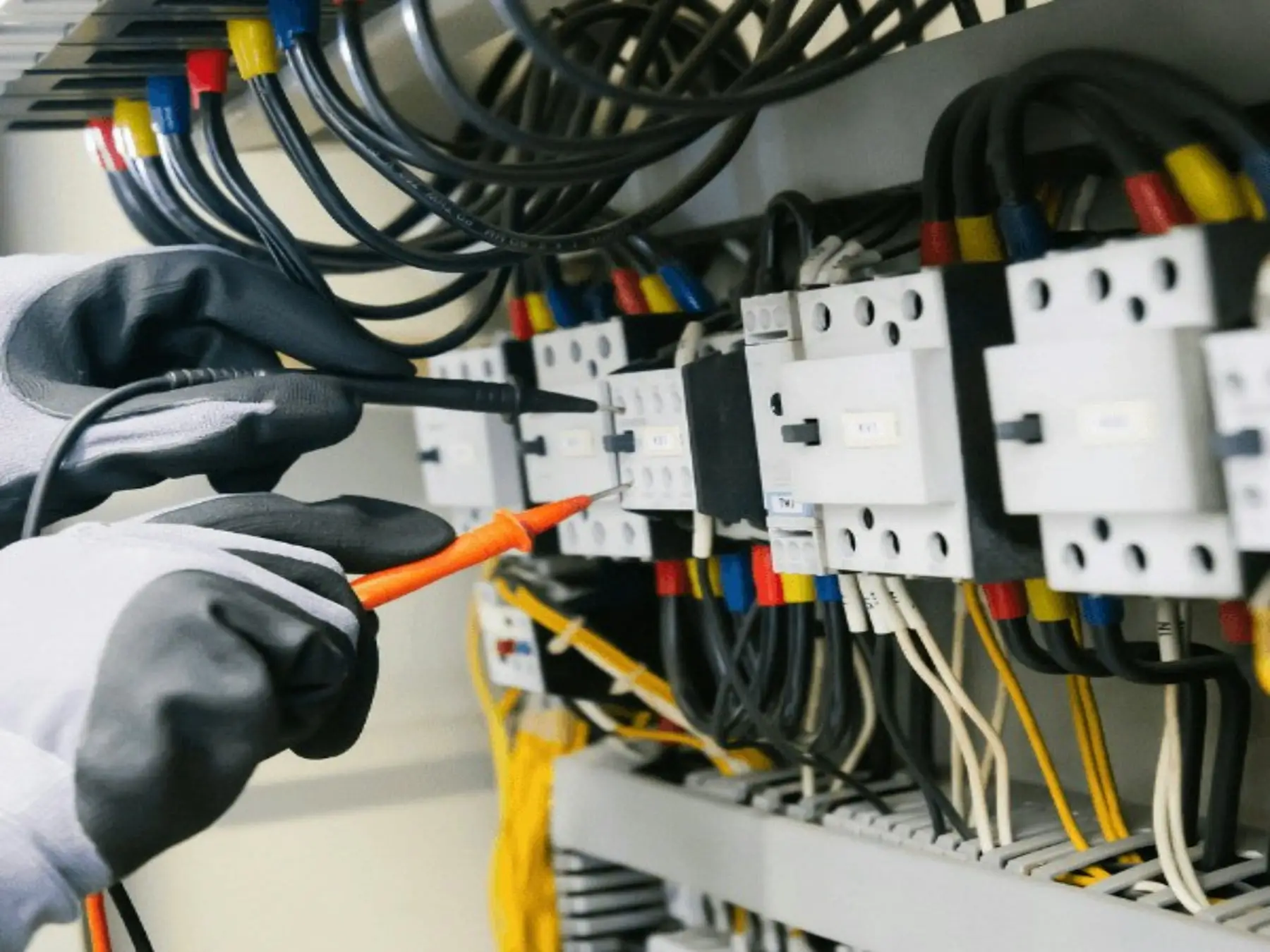
- The inspection. The installation is measured as it is today: the earth, insulation, the consumer unit and its protection, the circuits and the bathroom and kitchen rules.
- Remedial work, if needed. You get an itemised list first, and nothing is done until you agree it.
- Certificate and registration. The design report and the CIE are completed, signed and registered with the Generalitat.
- The electricity company. You, or we on your behalf, pass the registered certificate to your supplier, which sends it to the distribution company. In most of the province that is i-DE. They then contract the supply, raise the power or reconnect.
The last step runs at the distributor’s pace, not ours, which is one more reason to start well before any date you are working to.
What does a boletín cost in Alicante?
There is no honest single figure, and an advert that offers one without seeing the installation is pricing the signature rather than the work. What moves the cost, roughly in order:
Whether the installation passes as it stands. This outweighs everything else. A home with a working earth, a modern board and sound circuits needs an inspection and the paperwork. A home with no effective earth needs that resolved before anything can be signed, and the work, not the certificate, is the main cost.
What you are asking for. Certifying the power you already have is the simplest case. More power can mean a thicker cable from the meter to the home, the derivación individual, and in a block of flats that cable runs through communal areas. Our guide to charging an EV without raising your power explains when an increase can be avoided altogether. If you do need one, our guide to increasing your contracted power explains when the supplier can simply process it.
The size of the installation. A small flat with a handful of circuits and a villa with a pool, a garden and outbuildings are different amounts of measuring and different design reports.
Fees that are not the installer’s. The Generalitat charges a registration fee, and the distribution company bills regulated charges for a new supply or a power increase through your supplier. They are set by regulation and appear on separate bills, so a quote that leaves them out is not being dishonest, but you should know they exist.
That is why we quote after seeing the installation, as one fixed figure for the inspection, the work and the documentation, with the official fees named separately.
What slows a request down?
Most delays come from four things: no CUPS code to hand, asking for a power level that the cable from the meter cannot carry, a problem in a block that turns out to be on the communal side of the meter, and booking the certificate for the week it is needed. In older city-centre buildings the communal side is often the slow part, which is why our page on certificates in Alicante starts with the building’s own paperwork.
If you are buying, the inspection is worth doing before you sign rather than after; our guide to electrical checks before buying a property covers what to look at. If the board itself is what fails, the guide to replacing a consumer unit explains what a compliant one contains.
How to ask us for a boletín
Send the address, what the certificate is for, your deadline if you have one, a photo of the consumer unit with its door open and a recent bill through the contact form or WhatsApp. We cover Alicante and the towns around it; see the Alicante electrician page for the area.