Services
Electrical certificate (boletín eléctrico / CIE)
Most people discover they need one at the worst possible moment. Here is when it applies, what fails, and how the process actually runs.
- 24/7 for genuine emergencies
- We tell you the call-out fee before we set off
- Typically on site in 60–90 minutes
The certificado de instalación eléctrica — the boletín — is the document that says a property's electrical installation meets the regulations. You will be asked for one at specific moments, and almost always with a deadline attached.
To be clear about how we work: we inspect the installation, carry out whatever is needed to bring it up to standard, and prepare the documentation. The certificate itself is issued and signed by an authorised installer we work with, because issuing it is a regulated act. You deal with us throughout, and the certificate comes back properly signed.
When do you actually need one?
Five situations, and they account for nearly every enquiry we get. Contracting electricity supply at a property for the first time. Increasing your contracted power beyond what the existing certificate covers. Restoring supply to a property that has been without it for more than a year. Registering a property as tourist accommodation. And, frequently, at the point of sale, where a buyer or their lawyer asks for it.
The one that catches people most often is the year without supply. A property inherited, left empty between owners, or closed up while a renovation stalled will not simply be reconnected: the distributor requires a current certificate first, and that requirement appears at the point you are trying to move in.
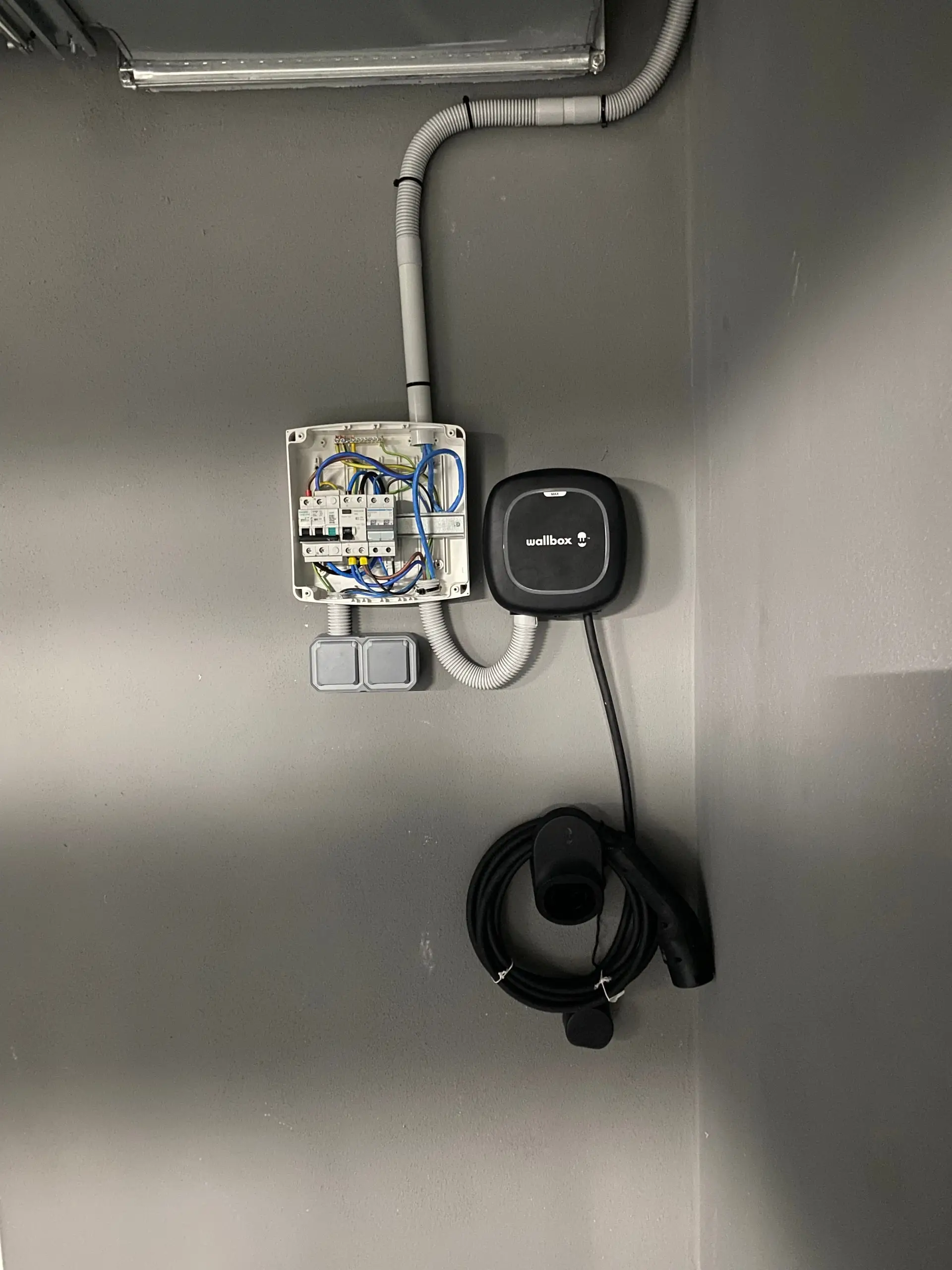
The other frequent surprise is the power increase. Adding air conditioning, an induction hob or a car charger can take a property past what its existing certificate covers, and the certificate then has to be brought up to date before the increase goes through.
What does the inspection cover?
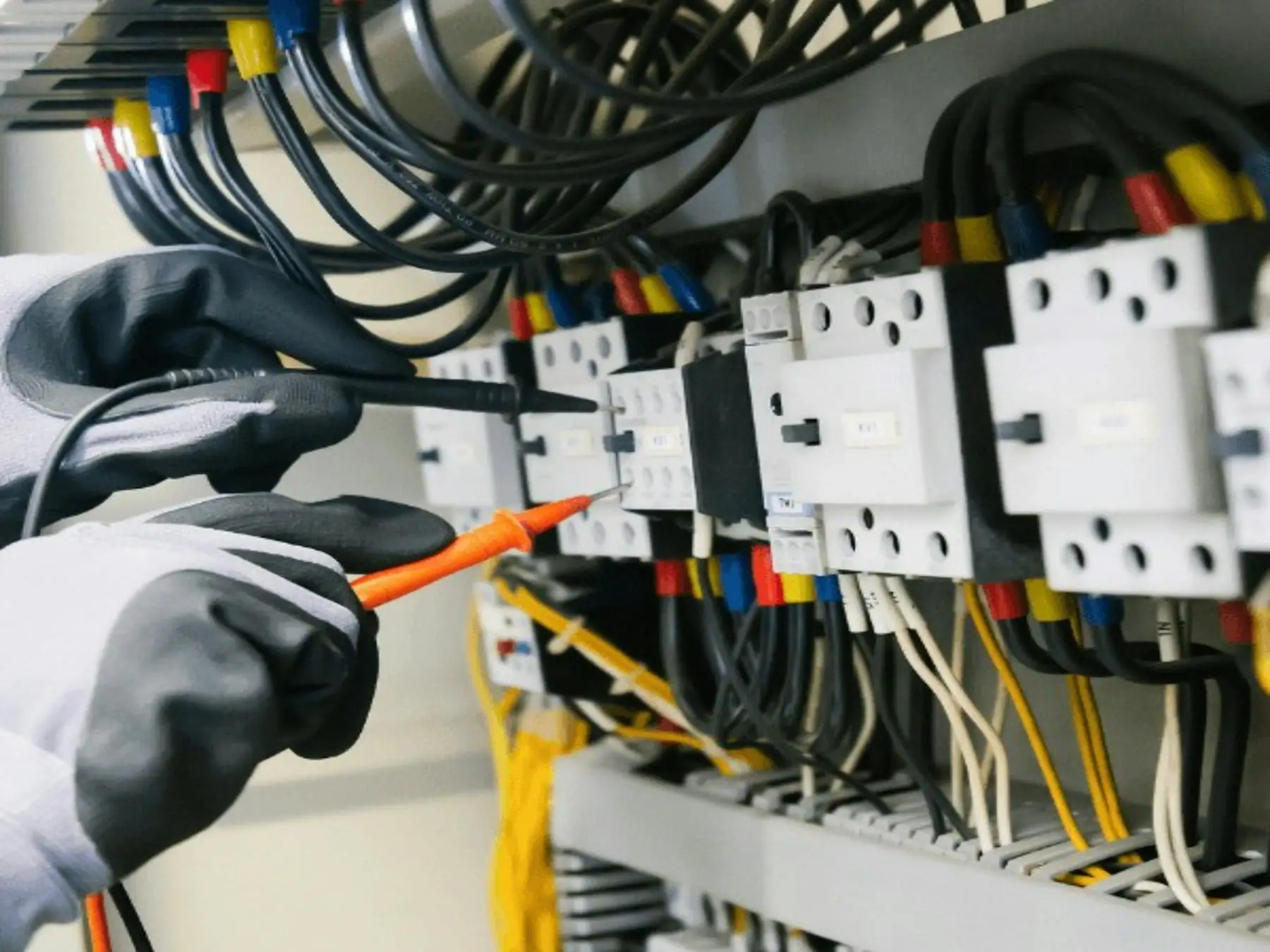
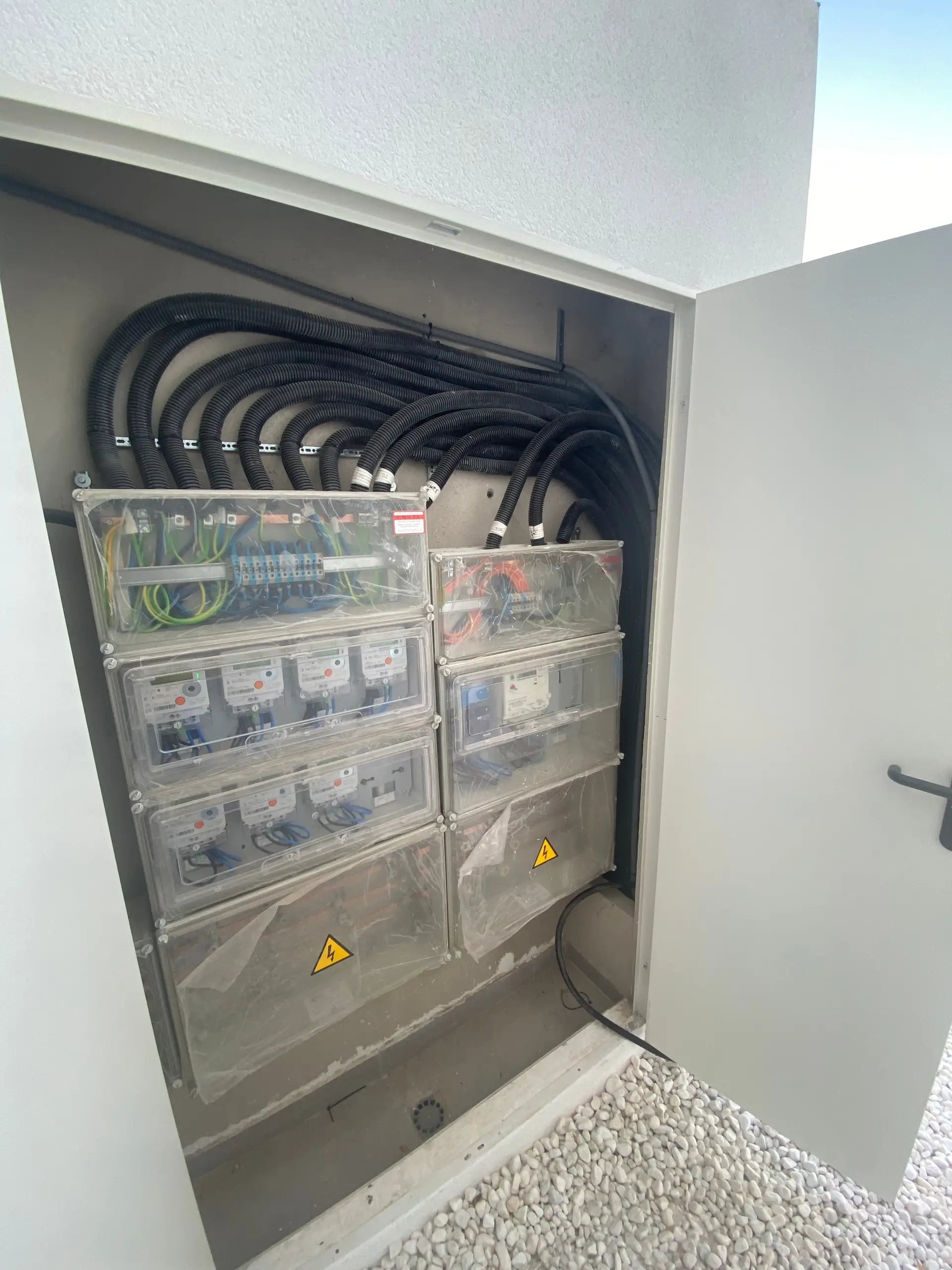
The installation as it actually is, not as it was when built. In practice that means the consumer unit and its protective devices, the earthing arrangement and its continuity, the circuits and their conductor sizes, insulation resistance, and the specific requirements for wet areas — bathrooms and kitchens have their own rules about what may be where.
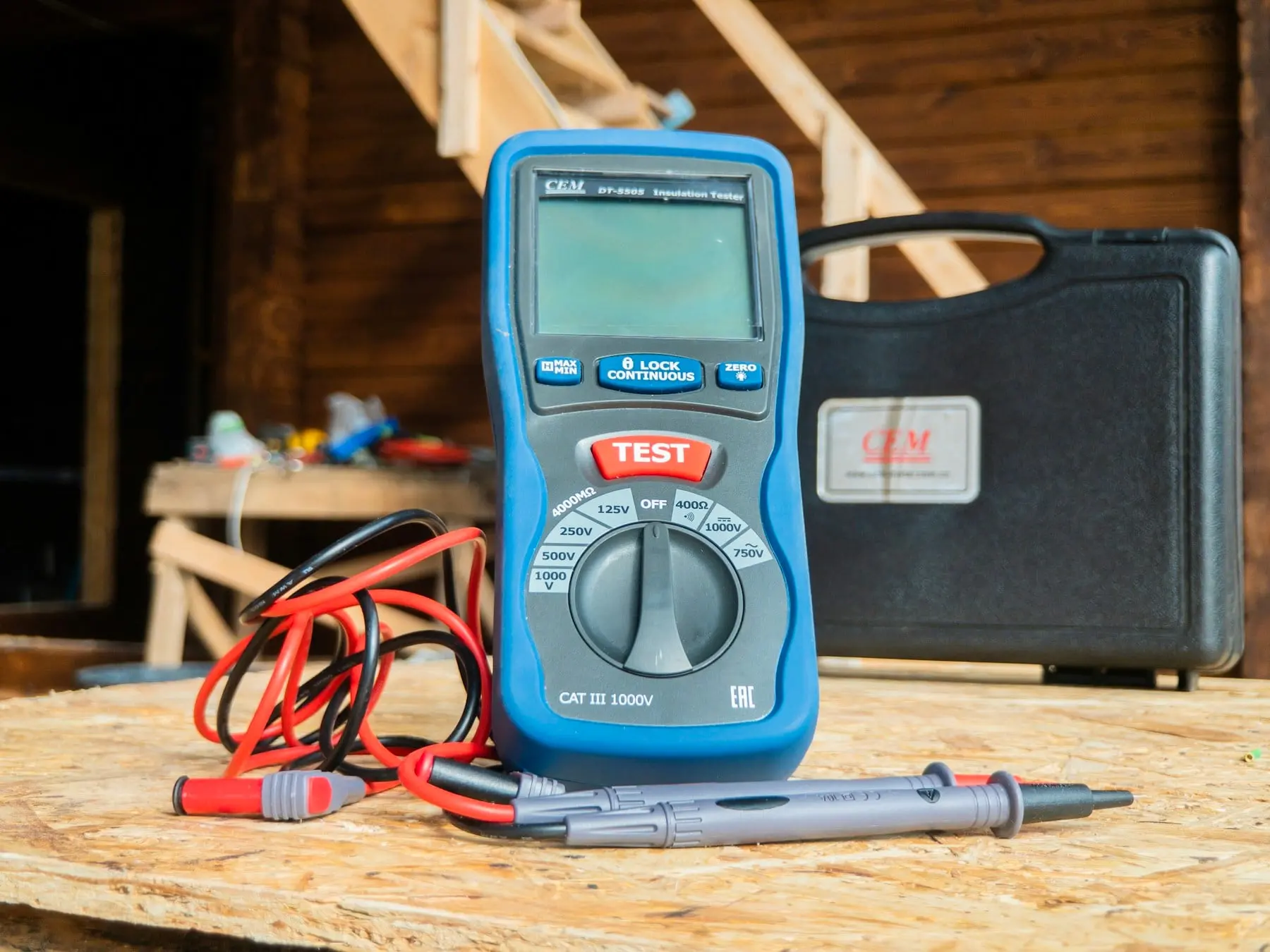
It is a measurement exercise. Insulation resistance and earth continuity are tested with instruments rather than judged by eye, and those two are where a superficially tidy installation most often fails.
What it does not cover is appliances, decoration or anything downstream of a socket. A property can pass with old sockets and pass with visible surface trunking; what it cannot pass with is an absent earth or a circuit whose insulation has degraded.
What fails most often here?
Four things, in order. An absent or ineffective earth, which is extremely common in properties built before the 1970s and is invisible until tested. A consumer unit without adequate residual current protection, or with one device covering the entire property. Bathroom installations that do not respect the zone requirements — a socket or a switch where the rules do not allow one. And degraded insulation on old circuits, usually where cable has been running warm for years in a conduit shared with more load than it was intended for.
None of those are exotic. All four are findable in an hour and fixable, and knowing which of them applies before you commit to a deadline is the whole value of looking early.
The one that changes the size of the job is the earth. Everything else is generally a contained repair; a property with no functional earthing needs that resolved first, and how big a job that is depends on the building.
How long does it take?
The inspection itself is a visit. If the installation passes, the documentation follows quickly. If it does not, the timetable is set by the remedial work rather than by paperwork, which is why the useful thing is to look early rather than to book the certificate and hope.
The part that is genuinely outside anyone's control is the administrative step afterwards, which runs at its own pace. If you are working to a deadline — a completion date, a tourist licence, a supply reconnection you need before a tenant arrives — tell us the date at the start. It changes the order in which we do things.
The pattern that goes wrong is always the same: someone books a certificate for the week they need it, the installation fails on the earth, and there is no time left. Two weeks of margin removes almost all of that risk.
What if the property fails?
You get told exactly what failed and what each item costs to put right, before anything is done. A failed inspection is not a wasted visit — it is a list, and the list is what you needed in the first place.
You are also free to have the remedial work done by someone else and come back. We would rather tell you what is wrong and lose the repair than find more than there is.
How we work
Tell us the deadline
A completion date, a licence or a reconnection changes the order we work in, so we ask at the start.
Inspect and measure
Earth continuity, insulation resistance, the board and the wet-area requirements, with instruments rather than by eye.
Itemised findings
You get a list of what fails and what each item costs, before any remedial work is agreed.
Bring up to standard
We carry out the remedial work, or you can have it done elsewhere and come back.
Certificate issued
The documentation is prepared and the certificate is issued and signed by the authorised installer we work with.
Common questions
Do you issue the certificate yourselves?
We inspect the installation, do the work needed to bring it up to standard and prepare the documentation. The certificate is issued and signed by an authorised installer we work with, because issuing it is a regulated act. You deal with us throughout.
When do I need a boletín?
Contracting supply at a property for the first time, increasing contracted power, restoring supply after more than a year without it, registering tourist accommodation, and often at the point of sale when a buyer asks for it.
My property has been empty for years. Can I just reconnect it?
Not directly. After more than a year without supply the distributor requires a current certificate before reconnecting, and that requirement usually surfaces exactly when you are trying to move in. Worth starting early.
What is the most common reason for failing?
An absent or ineffective earth, which is very common in properties built before the 1970s and is invisible until it is tested. After that: inadequate residual current protection, bathroom zone breaches, and degraded insulation on old circuits.
How much margin should I leave before my deadline?
About two weeks removes most of the risk. The failure pattern is always the same — the certificate is booked for the week it is needed, the installation fails on the earth, and there is no time left for the remedial work.
Can I get the remedial work done by someone else?
Yes. You get an itemised list of what failed, and you are free to have it put right by anyone and come back. We would rather tell you what is wrong and lose the repair than find more than there is.
Towns we cover
Guides worth reading first
Emergency electrician
Electrical Emergency, or Can It Wait Until Morning?
Most electrical faults can safely wait. Knowing which cannot is worth more than any phone number.
Related services

Shall we talk about your job?
Tell us what you need and we will come back with a price and a date. No obligation.