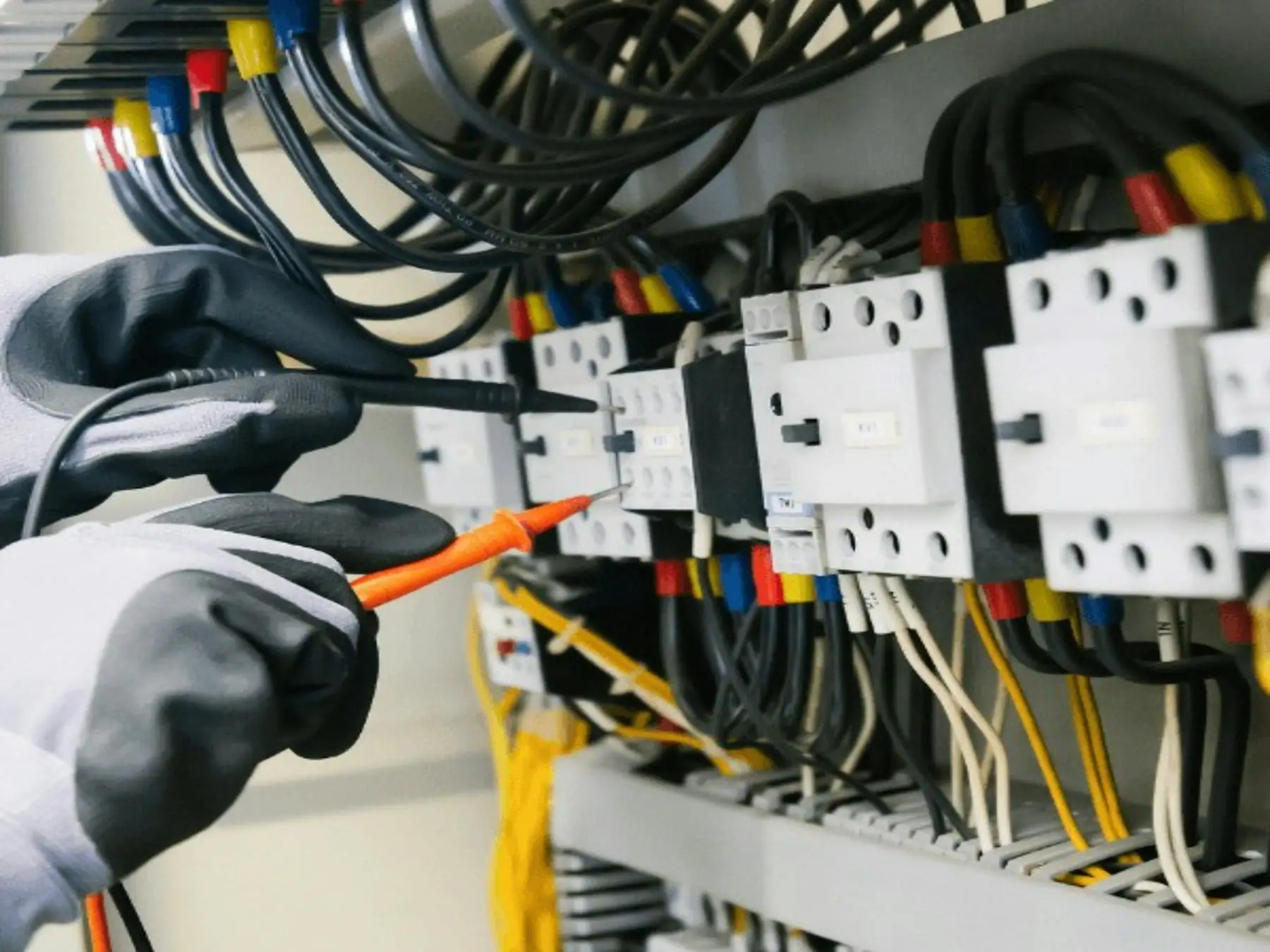
Services
Consumer unit replacement and rewiring
Three different jobs get sold under one name. Which one you need depends on what is behind the board, and nobody can tell you over the phone.
- 24/7 for genuine emergencies
- We tell you the call-out fee before we set off
- Typically on site in 60–90 minutes

When an installation stops coping, there are three genuinely different answers: upgrade the protective devices, rewire part of the property, or rewire all of it. They differ enormously in cost and disruption, and the honest one for you is decided by what is already in the walls.
A quote given over the phone without opening the consumer unit is selling you the most expensive of the three by default. We open the board, measure, and tell you which of the three you are actually in.
How do you know an installation needs work?
Six signs, and any one of them is worth a look. No residual current device at all, or one device protecting the entire property so a single fault kills everything. Ceramic rewirable fuses rather than breakers. Sockets with an earth pin that connects to nothing. Circuits that trip when two ordinary appliances run together. Any scorching or discolouration inside the board. And a board whose labelling describes an arrangement that no longer exists.
None of these mean the whole property needs rewiring. Several are solved at the board alone, which is the cheapest of the three answers and the one most often skipped over in favour of something larger.
The sign that does point to bigger work is the earth. If the installation has no functional earthing, that is not something a new board fixes on its own, and it changes the conversation.
What does electrification level actually mean?
Spanish domestic installations are designed to one of two levels under ITC-BT-25, and which one you are on determines how many circuits you are supposed to have. The basic level assumes around 5,750 W and five circuits; the elevated level assumes around 9,200 W and adds circuits for air conditioning, a dryer and additional socket capacity.
This matters because it is the real answer to "can we just add more sockets". A property built to the basic level does not have the circuits an elevated installation has — they are not undersized, they are absent. Adding sockets to a circuit that is already carrying the kitchen does not create capacity, it concentrates load on a run that was never intended for it.
The standard circuit set runs from lighting and general sockets through the kitchen and oven circuit to the washing machine and dishwasher, with minimum conductor sizes for each. When we say a property needs new runs rather than new outlets, this is what we are referring to, and it is most of what makes a rewire cost what it does.
Does every wall have to be chased out?
Usually not, and the answer depends entirely on the state of the existing conduit rather than on the age of the property.
Spanish installations run cable through corrugated conduit buried in the walls. Where that conduit is intact and has room, new cable can be drawn through it and the walls are never opened. That is by far the best outcome, and it is more common than people expect even in properties from the 1970s.
Where the conduit is crushed, blocked, has been cut through by later work, or was never installed in the first place, the cable cannot be pulled and the work becomes building work as well as electrical work. That is the version people are afraid of, and it is why the first thing we do is test whether the existing conduit is usable.
Where opening walls is genuinely unacceptable — an occupied property, a finished renovation, a let flat between tenants — surface trunking and routes through a suspended ceiling are legitimate answers rather than a compromise. They look different, and they avoid the builders entirely.
Can it be done while we are living there?
Yes, and phasing is normal. A property does not have to be emptied for electrical work, and a rewire in an occupied home is done circuit group by circuit group so that light and a working fridge are never lost overnight.
What that costs is time rather than money: a phased job takes longer in total than the same work in an empty property, because each phase has to be left safe and functional at the end of the day. Work zones are left dead and marked while they are open.
Where a property is empty — between tenants, before moving in, during a wider renovation — everything is faster and cheaper, and it is worth waiting for that window if you have one coming.
What should the quote contain?
A quote worth accepting names the circuits: how many, what each one serves, and the conductor size for each. It names the board — how many ways, what protective devices, and whether the earthing arrangement is being altered. It says explicitly whether walls are being opened, and it distinguishes electrical work from building work.
If a quote is one line and one figure, nobody has established which of the three jobs is being priced, and it will move once work starts.
How we work
Open the board
We open the consumer unit, list what is actually there and test the earthing arrangement.
Test the conduit
We check whether new cable can be drawn through the existing conduit, which decides whether walls are opened.
Agree the scope
You get the three options priced against your property rather than one figure for the largest.
Phase the work
In an occupied home we work circuit group by group so light and a fridge are never lost overnight.
Test and document
We test every circuit and protective device and hand over the installation documentation.
Common questions
Do I need a full rewire or just a new board?
It depends on the earthing and the state of the conduit, and it is a measurement rather than a judgement. Many properties need only the board and its protective devices, which is the cheapest of the three answers and the one most often skipped past.
Will you have to chase out all my walls?
Usually not. Where the existing corrugated conduit is intact and has room, new cable is drawn through it and the walls are never opened. Walls come open only where the conduit is crushed, blocked or absent.
Can we stay in the property while the work happens?
Yes. A rewire in an occupied home is phased circuit group by circuit group, so you are never left overnight without light or a working fridge. It takes longer in total than the same work in an empty property.
My sockets have an earth pin. Does that mean I have an earth?
Not necessarily. A lot of pre-1970s properties had earthed sockets fitted later that connect to nothing. It is invisible until something goes wrong, and it is a measurement that takes a few minutes.
Why does the electrician need to open the consumer unit to quote?
Because the three possible jobs differ several-fold in cost and only what is behind the cover distinguishes them. A price given without opening it has been calculated for the largest of the three, or it will change later.
Do I get documentation afterwards?
Yes. You get the installation documentation for the work carried out, which is what a buyer, an insurer or a supply contract will ask for later.
Our own work
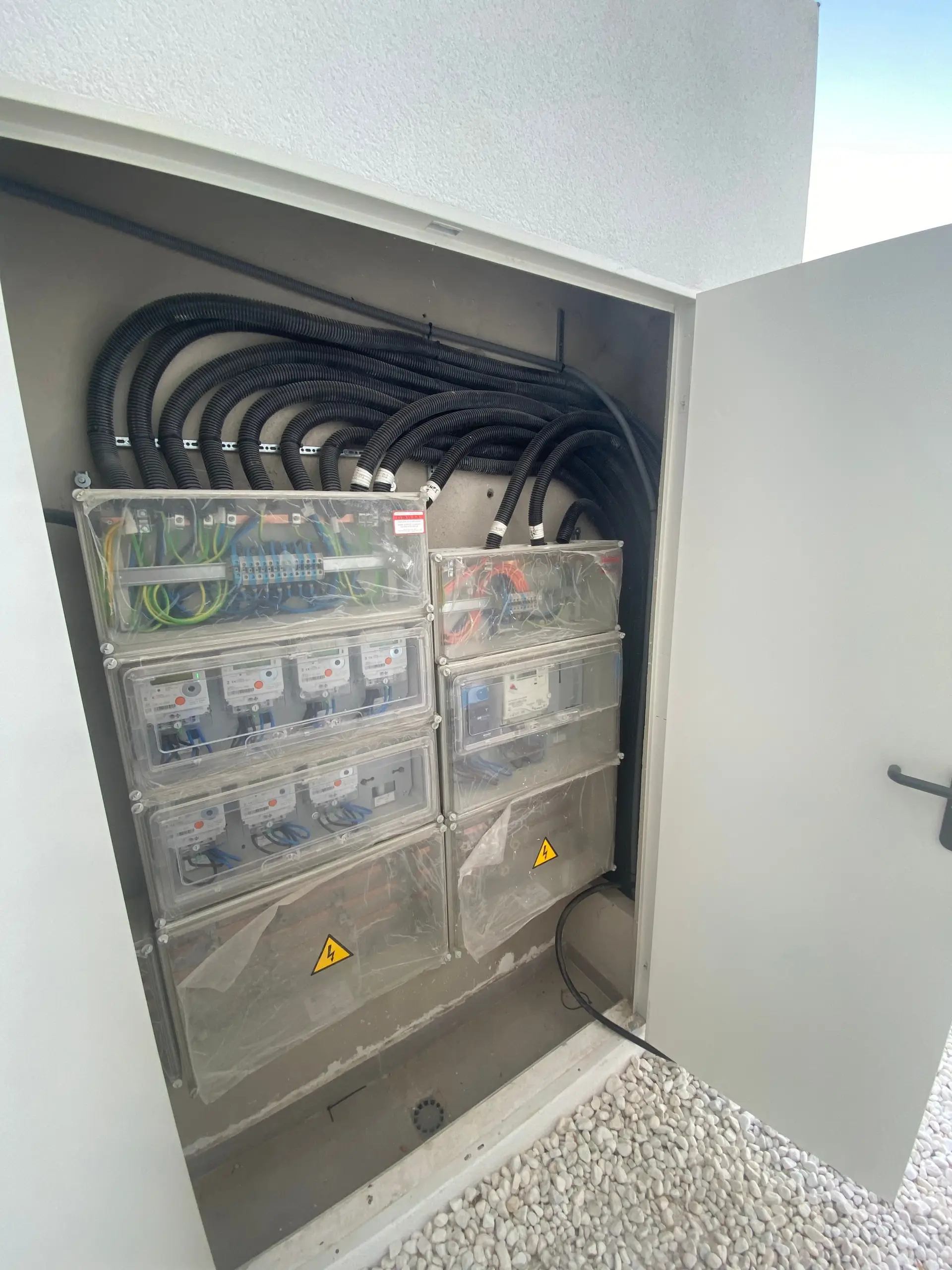
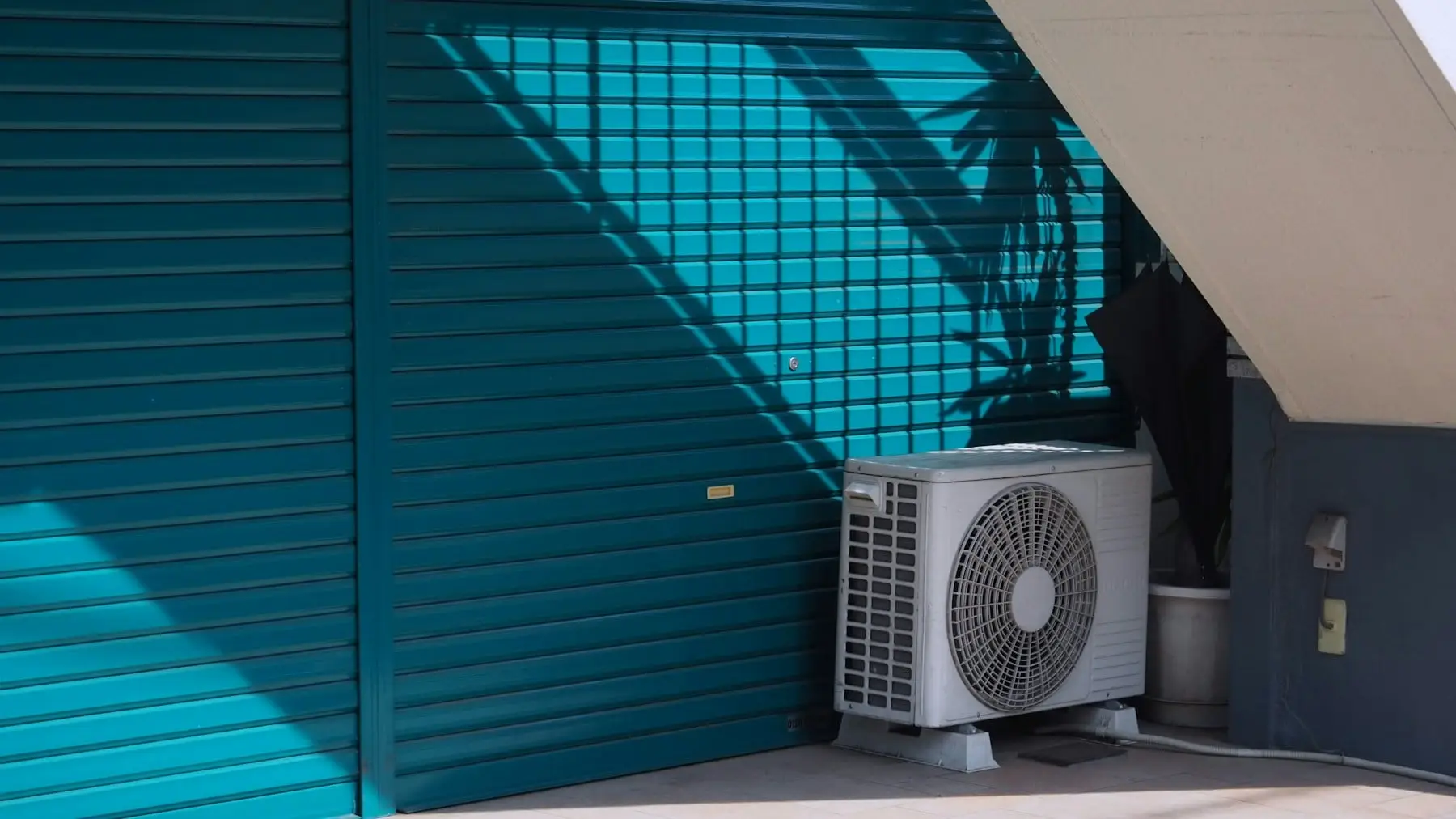
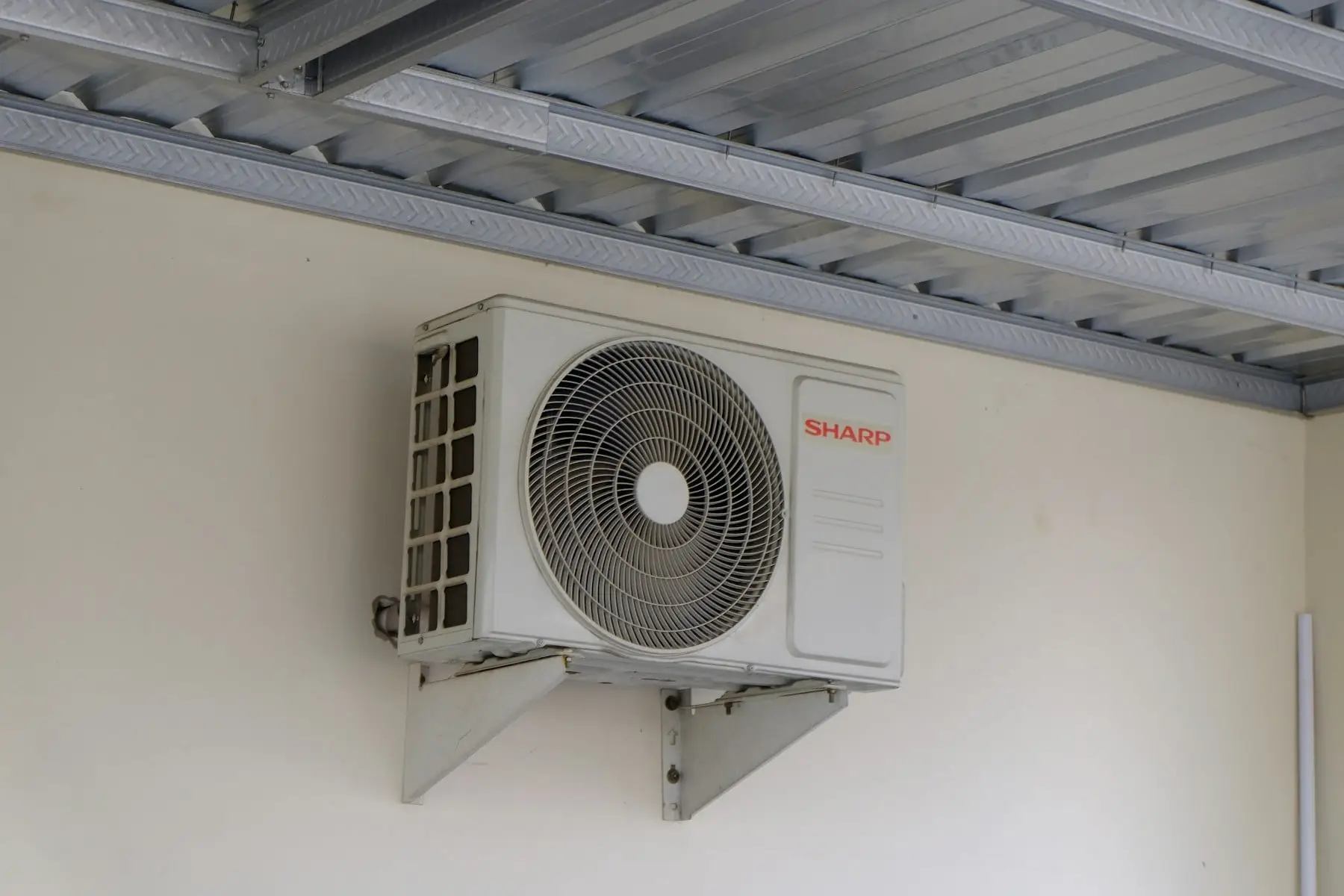
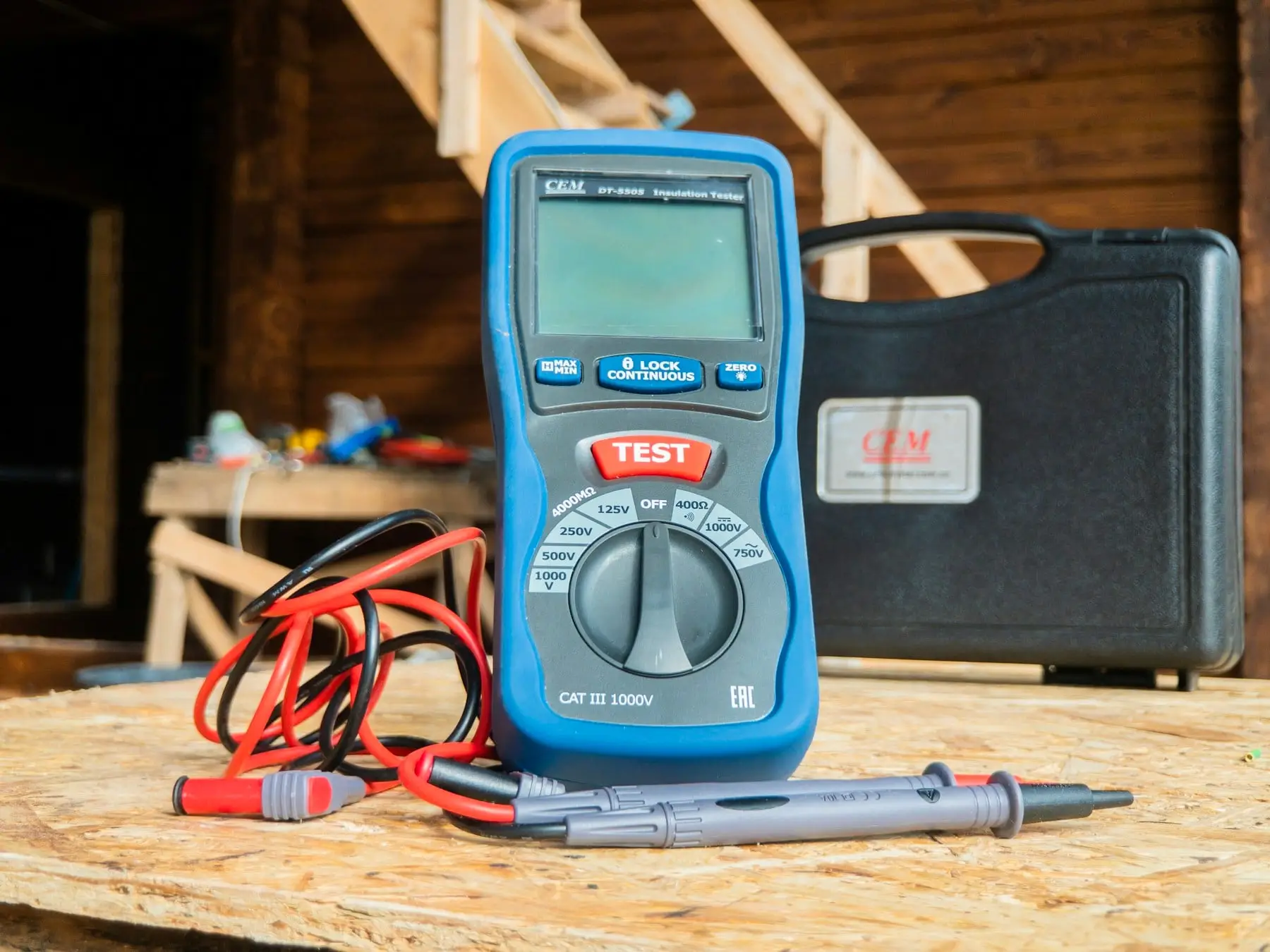
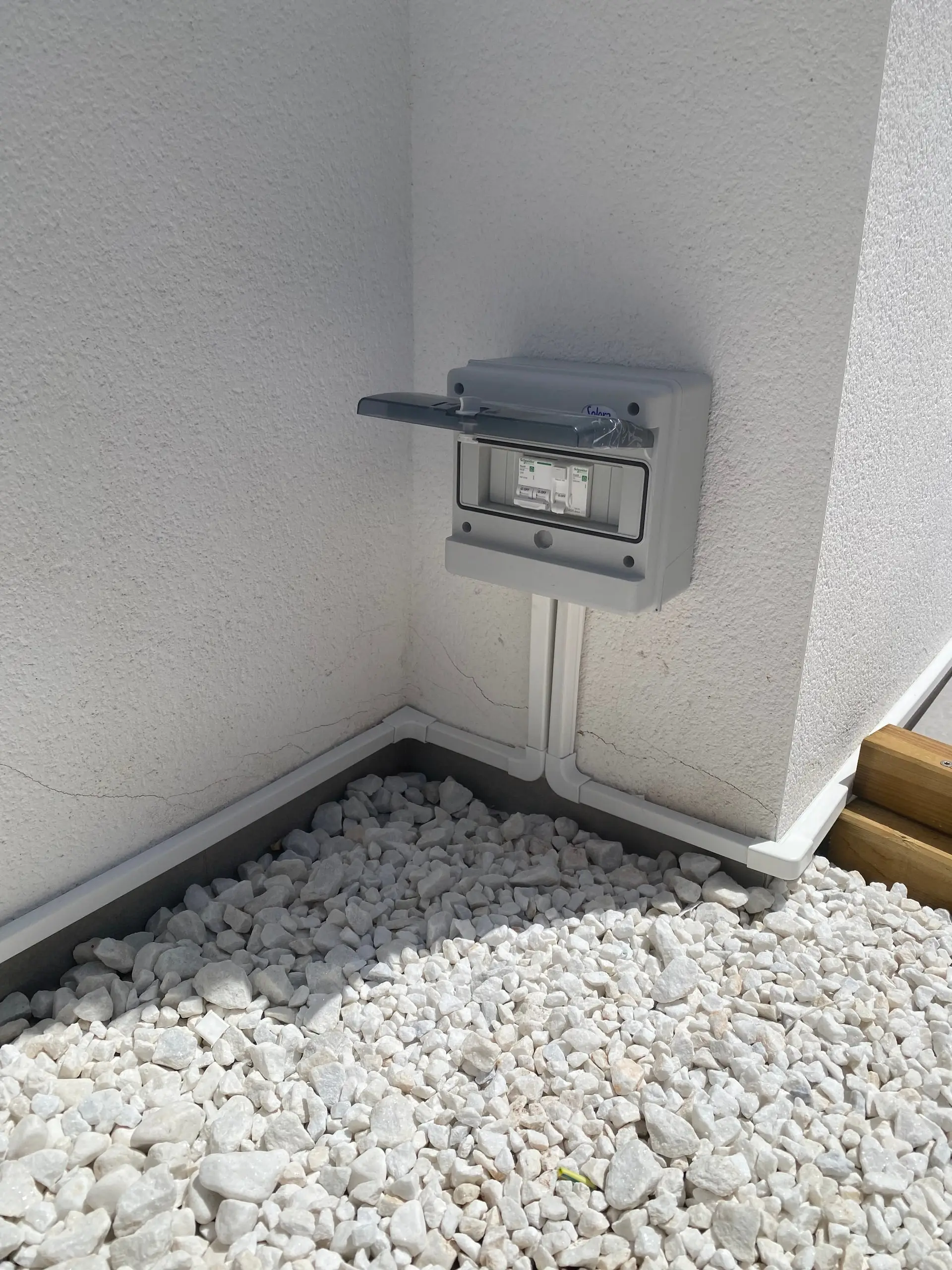
Photographs of installations we carried out ourselves. No stock photography.
Towns we cover
Guides worth reading first

Emergency electrician
Electrical Emergency, or Can It Wait Until Morning?
Most electrical faults can safely wait. Knowing which cannot is worth more than any phone number.
EV charger installation
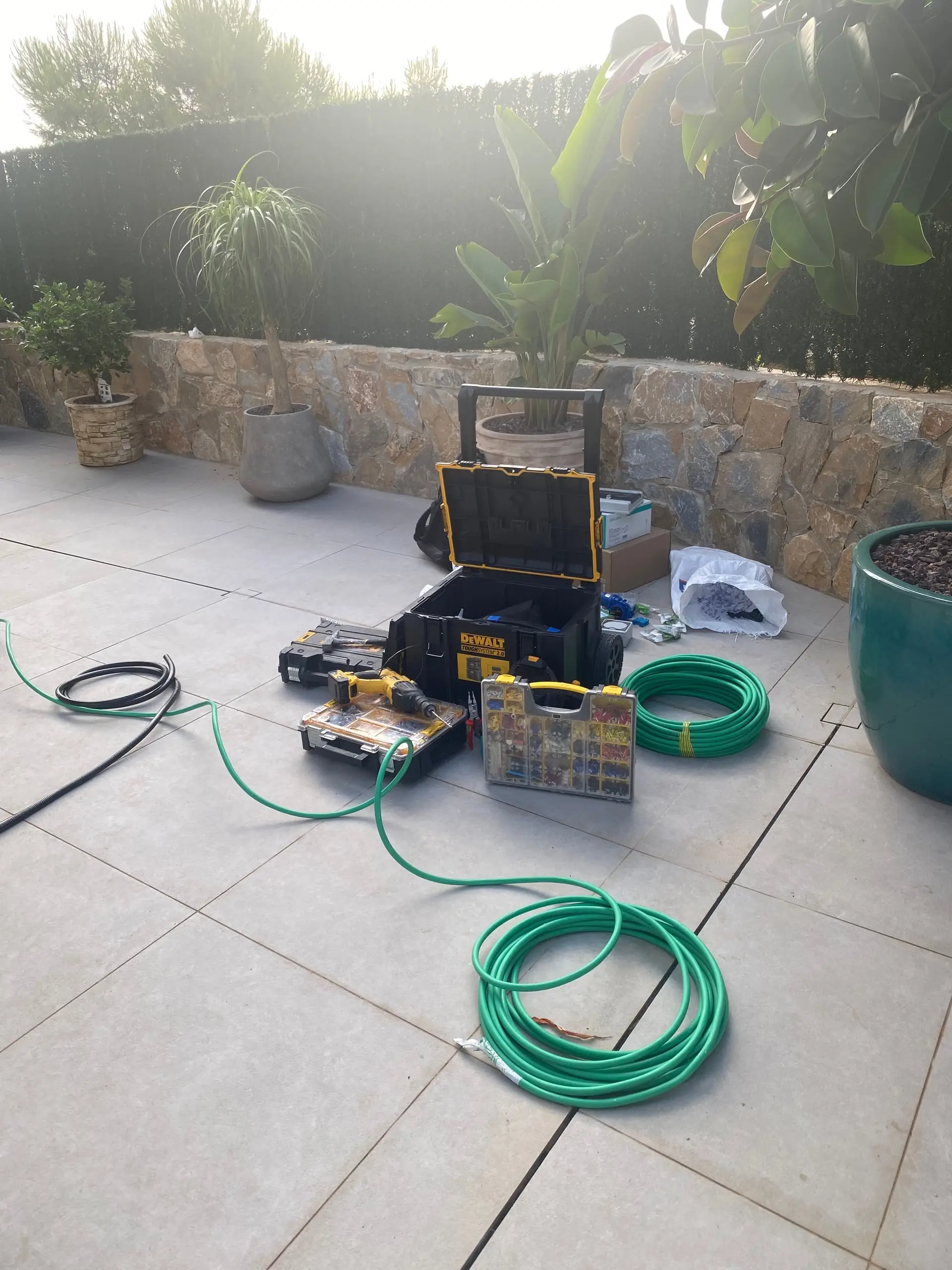
What an EV Charger Installation Really Costs
The charger is rarely the expensive part. Four other things are, and none of them are visible in a photograph.
EV charger installation
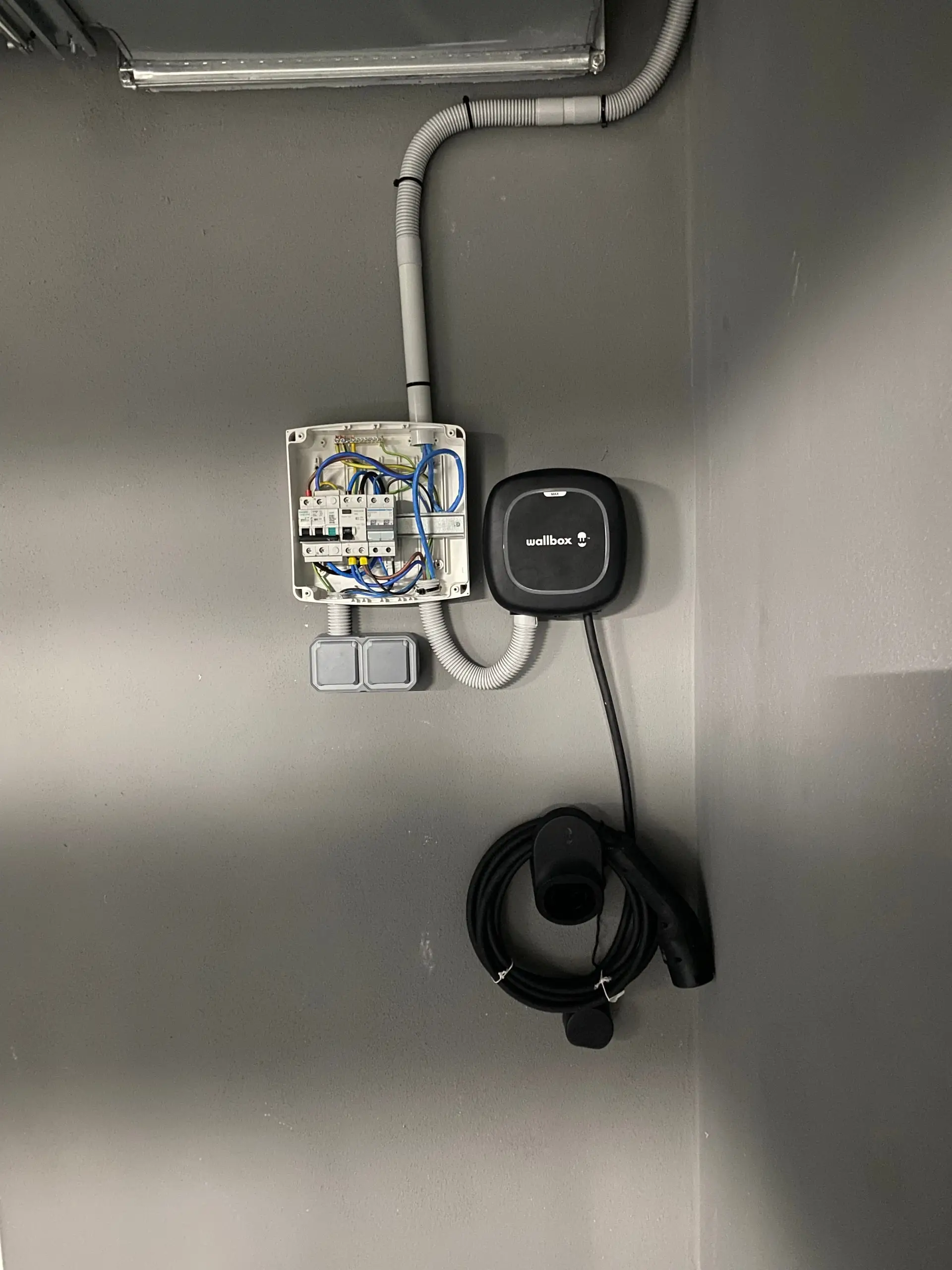
7.4, 11 or 22 kW - Which Charger Do You Need?
The honest answer for most homes is the cheapest one, and the reason is your car rather than the wallbox.
Related services

Shall we talk about your job?
Tell us what you need and we will come back with a price and a date. No obligation.