Services
Air conditioning repair and servicing
Most units that stop cooling have not broken. Four things account for the great majority of call-outs, and two of them you can rule out yourself.
- 24/7 for genuine emergencies
- We tell you the call-out fee before we set off
- Typically on site in 60–90 minutes
The phrase we hear most is "it is not cooling like it used to". That is a symptom with a short list of causes, and the order they come in is worth knowing before anyone quotes you for a new unit.
The two checks below cost nothing and resolve a large share of what we are called out to in August.
What should you check before calling anyone?
The filters and the outdoor coil, in that order. They are the two commonest causes of lost performance and they are both yours to look at.
Filters slide out of the indoor unit and are cleaned with water. Under heavy summer use they clog within weeks, and a clogged filter chokes airflow so effectively that the unit can run continuously and still not cool the room. If your unit has gradually got worse across one season, filters are the first suspect and very often the only one.
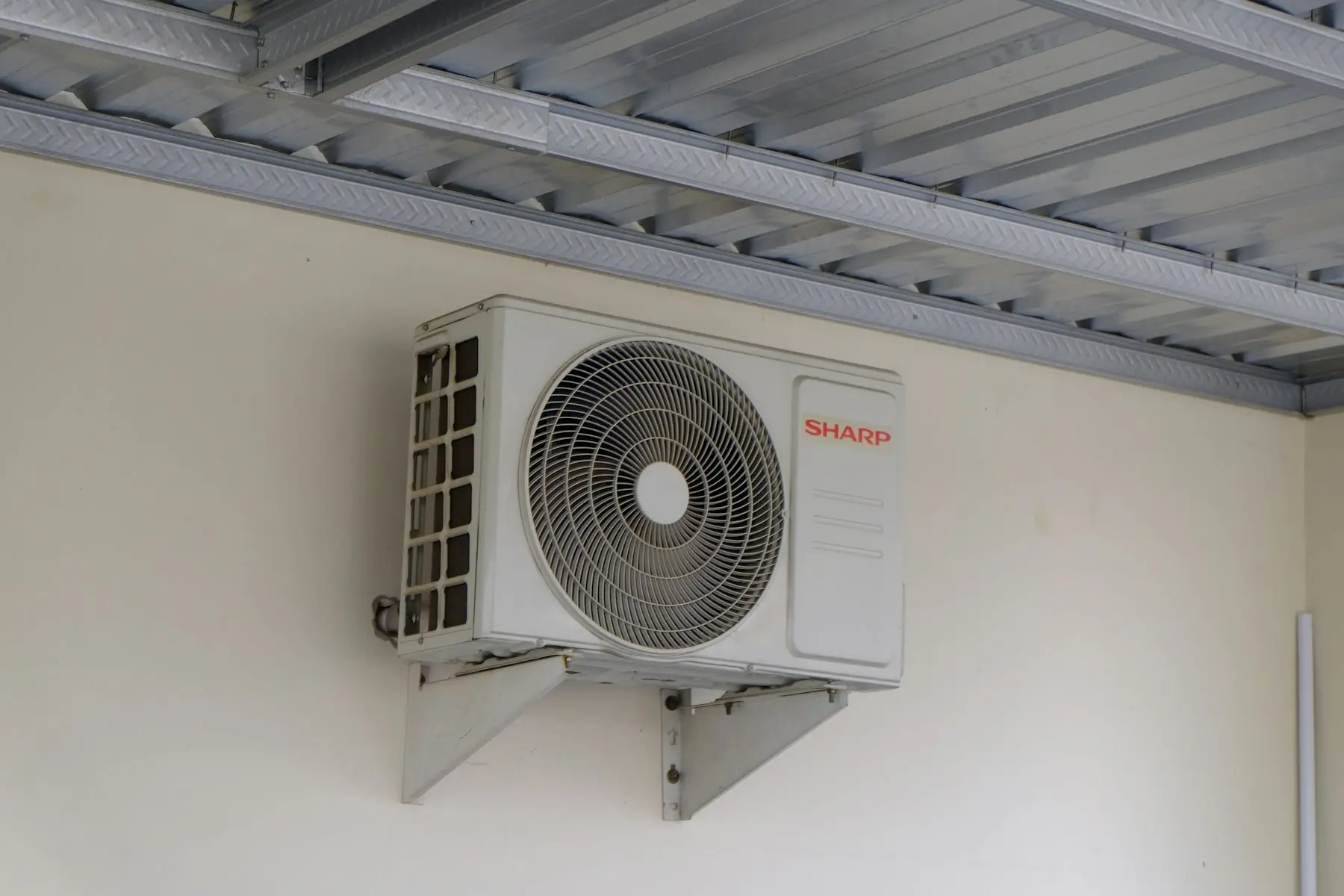
The outdoor coil is the finned block on the condenser. If it is packed with dust, seed or salt film, the unit cannot reject heat and its performance collapses in exactly the weather when you need it. Rinse it with fresh water at low pressure. Do not use a pressure washer: it bends the fins, and bent fins block airflow just as effectively as dirt.
If both are clean and it still underperforms, the cause is likely to be refrigerant, the condensate system or an electrical component, and those need instruments.
Why topping up the gas is not a repair
A sealed refrigerant circuit does not consume refrigerant. If a unit is low on gas, it has a leak — there is no other mechanism. Charging it without finding the leak sells you the same gas again next season, and usually sooner.
This matters more than it sounds, because the gradual version is easy to mistake for normal ageing. A slow leak produces a unit that cools a bit less each year, and it gets topped up each year, and nobody looks for the hole.
Finding the leak is the work. It is usually at a flare connection, at the service valves, or where the coil joins the pipework — and on this coast, corrosion at the copper-to-aluminium joint on an exposed condenser is a common culprit. Once found, it is a repair rather than a replacement.
Water coming from the indoor unit
This is a blocked condensate drain almost every time, and it is one of the more damaging faults to ignore because the water finds a ceiling.
The unit produces condensate whenever it runs, and that water leaves through a drain line. The line blocks with dust and biological growth over a season or two, the tray overflows, and the water goes wherever gravity takes it. It is not a refrigerant fault and it does not mean the unit is failing.
It is also entirely preventable. Clearing the drain is part of an annual service, and it is the single item most often skipped by whoever fitted the unit and never came back.
When is repair the wrong answer?
Three situations where we will say so rather than take the work.
A compressor failure on an old unit. The compressor is the most expensive component, and on a unit past ten years the cost of replacing it approaches a new system that will be substantially more efficient. We will price both and let you decide with the numbers in front of you.
A unit using an obsolete refrigerant, where a repair means sourcing gas that is being phased down and will get harder and more expensive to obtain.
A unit that was the wrong size for the room from the start. No repair fixes a specification error: an oversized unit will keep short-cycling and leaving the room clammy however well it is serviced. That is worth knowing before spending anything on it.
What does a service actually include?
Filters and the indoor unit cleaned, the outdoor coil cleaned, the condensate tray and drain line cleared, electrical connections checked and tightened, and the operating pressures and temperatures measured to confirm the charge is correct and there is no developing leak.
The right time is before the season rather than during it. An hour in May finds the connection that is running warm and the drain that is half-blocked while they are still a scheduled job, instead of a call-out in the middle of August at an August rate.
For a property that is let, servicing between changeovers is worth building into the calendar. Guests report a filter problem as a fault, and it is the commonest complaint that costs an owner a call-out fee for nothing.
How we work
Rule out the free ones
We ask about filters and the outdoor coil first, because those explain a large share of call-outs and cost nothing to fix.
Measure, do not guess
Operating pressures, temperatures and electrical readings, which distinguish a leak from a blocked coil from a failing component.
Find the leak
If the charge is low there is a leak. We locate it rather than topping up and leaving you to repeat it next year.
Price repair against replacement
On older units we give you both figures and the efficiency difference, and you decide.
Clear the drain
The condensate tray and line are cleared as standard, because that is the fault that damages ceilings.
Common questions
My air conditioning is not cooling. What is the most likely cause?
Clogged filters, by a wide margin, followed by a dirty outdoor coil. Both are free to check and both choke airflow enough that a healthy unit runs continuously without cooling the room. Check those before anyone quotes you for anything.
Do I just need a gas top-up?
A sealed circuit does not consume refrigerant, so if it is low there is a leak. Topping up without finding it sells you the same gas again next season. Finding the leak is the actual repair, and it is usually at a connection rather than in the coil.
Water is dripping from the indoor unit. Is that serious?
It is a blocked condensate drain almost every time, and worth dealing with promptly because the water ends up in a ceiling. It is not a refrigerant fault and does not mean the unit is failing.
Is it worth repairing a ten-year-old unit?
It depends on the component. Most faults are worth repairing at any age; a compressor failure on an old unit is not, because the cost approaches a new system that will be substantially more efficient. We price both and let you choose.
How often should air conditioning be serviced?
Once a year, before the season rather than during it. An hour in May finds the warm connection and the half-blocked drain while they are still a scheduled job rather than an August emergency.
Do you service units you did not install?
Yes, and most of what we service was fitted by somebody else. We will tell you if we find that the unit was the wrong size for the room from the start, because no amount of servicing fixes a specification error.
Towns we cover
Guides worth reading first
Air conditioning installation
Sizing Air Conditioning for a Costa Blanca Home
Floor area is the starting point and almost never the answer. Orientation, glazing and what is above the ceiling matter more.
Air conditioning installation
Ducted or Multi-Split Air Conditioning?
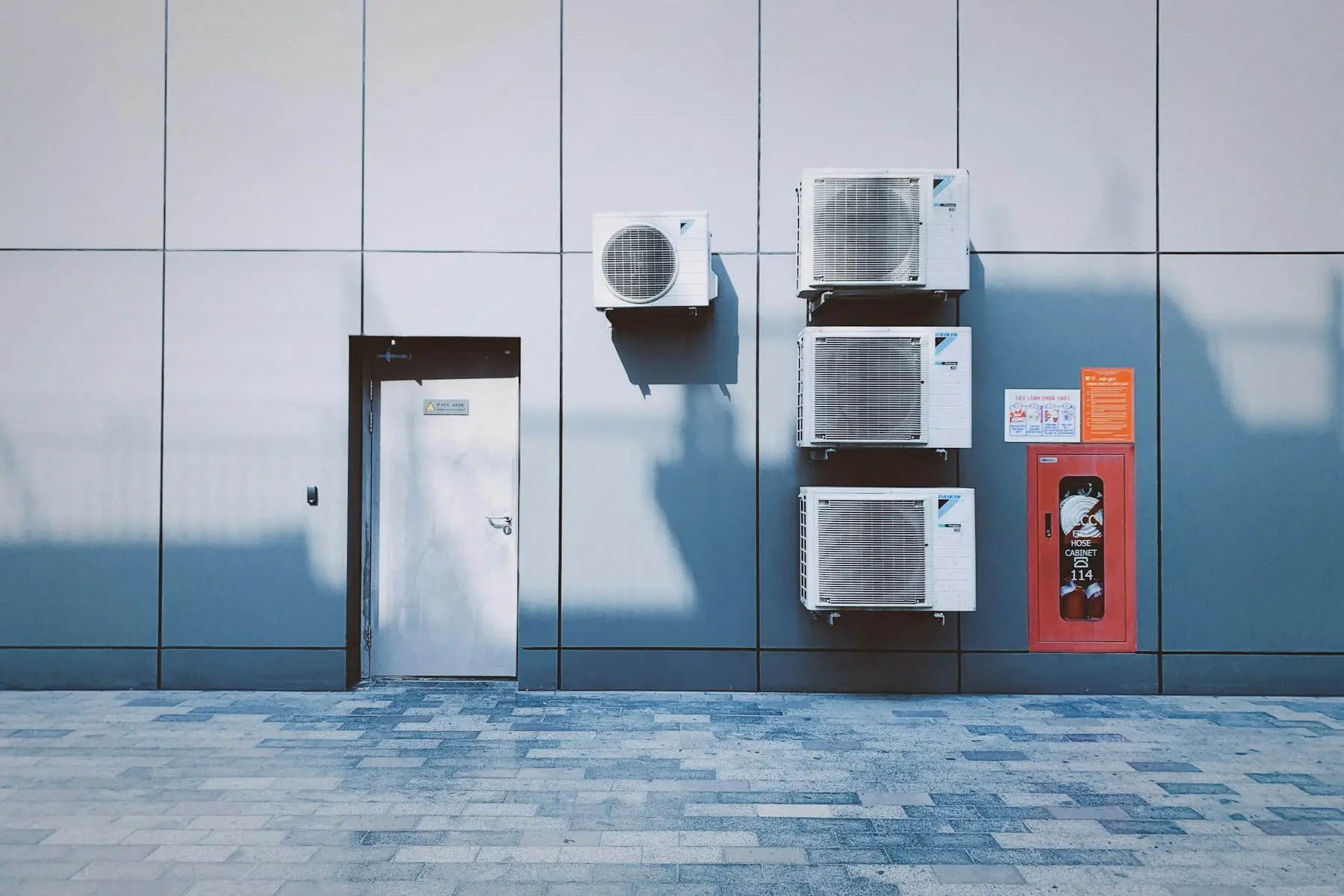
One outdoor unit or several, visible indoor units or grilles in the ceiling — the right answer depends more on your building than your budget.

Emergency electrician
Electrical Emergency, or Can It Wait Until Morning?
Most electrical faults can safely wait. Knowing which cannot is worth more than any phone number.
Related services

Shall we talk about your job?
Tell us what you need and we will come back with a price and a date. No obligation.