There are three ways to cool a home here, and they suit genuinely different situations. The decision is usually made on price, which is understandable, but the building itself should decide more of it than it normally does.
Single split: one room, done properly
One indoor unit, one outdoor unit, one room. It is the cheapest to install, the simplest to service, the least disruptive to fit, and the easiest to replace when it eventually fails.
For a bedroom, a single living room, or any situation where there is one room you actually spend time in, nothing beats it. Each unit is sized for its own room, so it is right for that space rather than a compromise. And if it breaks, one room is affected rather than the whole house.
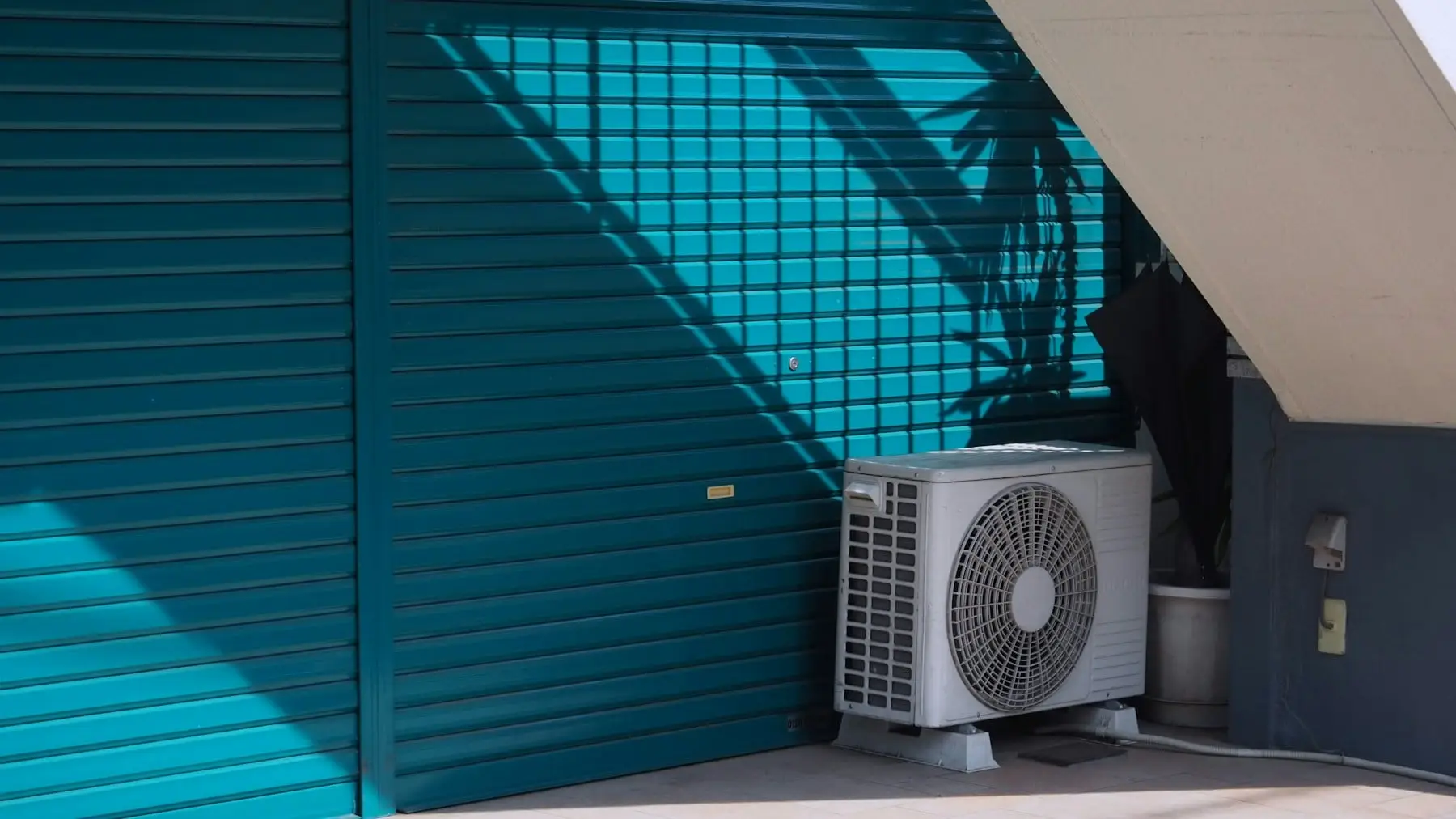
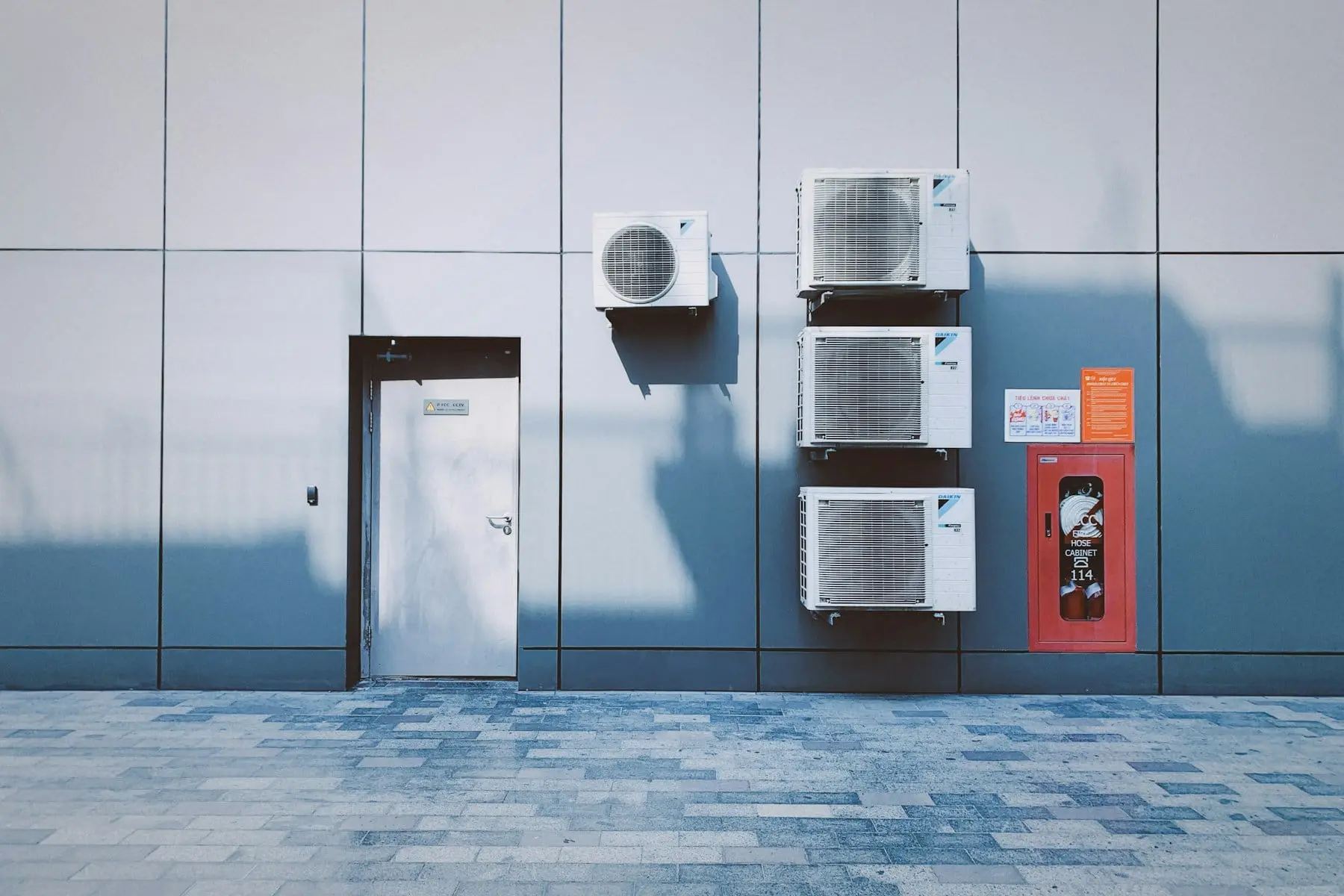
The limit is façade space. Every split needs its own outdoor unit, and four splits means four condensers on the outside of the building — which in an apartment block is often exactly what the community will not accept.
Multi-split: several rooms, one outdoor unit
Two to five indoor units run from a single outdoor unit. The obvious advantage is one condenser instead of four, which is frequently the deciding factor in a flat where the elevation is communal property and the statutes limit what may be fixed to it.
The trade-off is shared dependency. The outdoor unit is sized for the whole system, and when it fails every room loses cooling at once rather than one. Servicing is a little more involved, and replacement later is a larger job than swapping one split.
There is also a subtlety worth knowing: multi-split systems are at their least efficient when only one indoor unit is running, because the outdoor unit is sized for all of them. If you realistically use one room most of the time and the others occasionally, several independent splits may serve you better despite the extra condensers.
Ducted: invisible, comfortable, and needs planning
Air is conditioned centrally and distributed through a false ceiling to grilles in each room. Almost nothing is visible, the temperature is even, and it is the quietest option in the rooms themselves.
It is also the most expensive and the least retrofittable. Ducted systems genuinely want to be planned before ceilings go in. Fitting one into a finished flat means building a false ceiling, and that usually costs height in a hallway — acceptable in a house with generous ceilings, much less so in a flat that already has 2.5 metres.
The other requirement is zoning. A ducted system distributes one capacity across a whole floor, and without properly designed zones the west-facing bedroom stays hot while the shaded room overcools. Zoning is not an optional upgrade on a ducted system in a house with varied orientations; it is what makes it work.
Which suits which building?
In an apartment, the elevation usually decides. If the community restricts outdoor units — and in blocks around Playa de San Juan and San Vicente many do — a multi-split with one condenser is often the only system that gets approved for a whole-flat installation.
In a detached house, the variation between rooms is wide: two or three external walls each, a roof above the top floor, and orientations that differ by room. Multi-split suits that well because each indoor unit is sized for its own space. Ducted suits it too, but only with zoning designed properly.
In a renovation where ceilings are coming down anyway, ducted becomes much more attractive, because the main practical objection disappears.
For one room in a flat you own, a single split remains the sensible answer, and no amount of system thinking improves on it.
What the electrical side needs either way
All three want a dedicated circuit with protection sized to the equipment, and all three raise the question of whether your contracted power can carry the system running at the same time as an oven and a hob on an August evening.
A single split rarely changes that calculation. A multi-split or a ducted system running several rooms at once genuinely can, and it is much better established before the equipment is ordered than discovered when the main switch goes in the middle of a heatwave.